


GM Wants Supplier Automation Plans: What a Credible One Includes
GM is reportedly scoring supplier automation plans in contract decisions. Here is what a plan that holds up to review should contain.

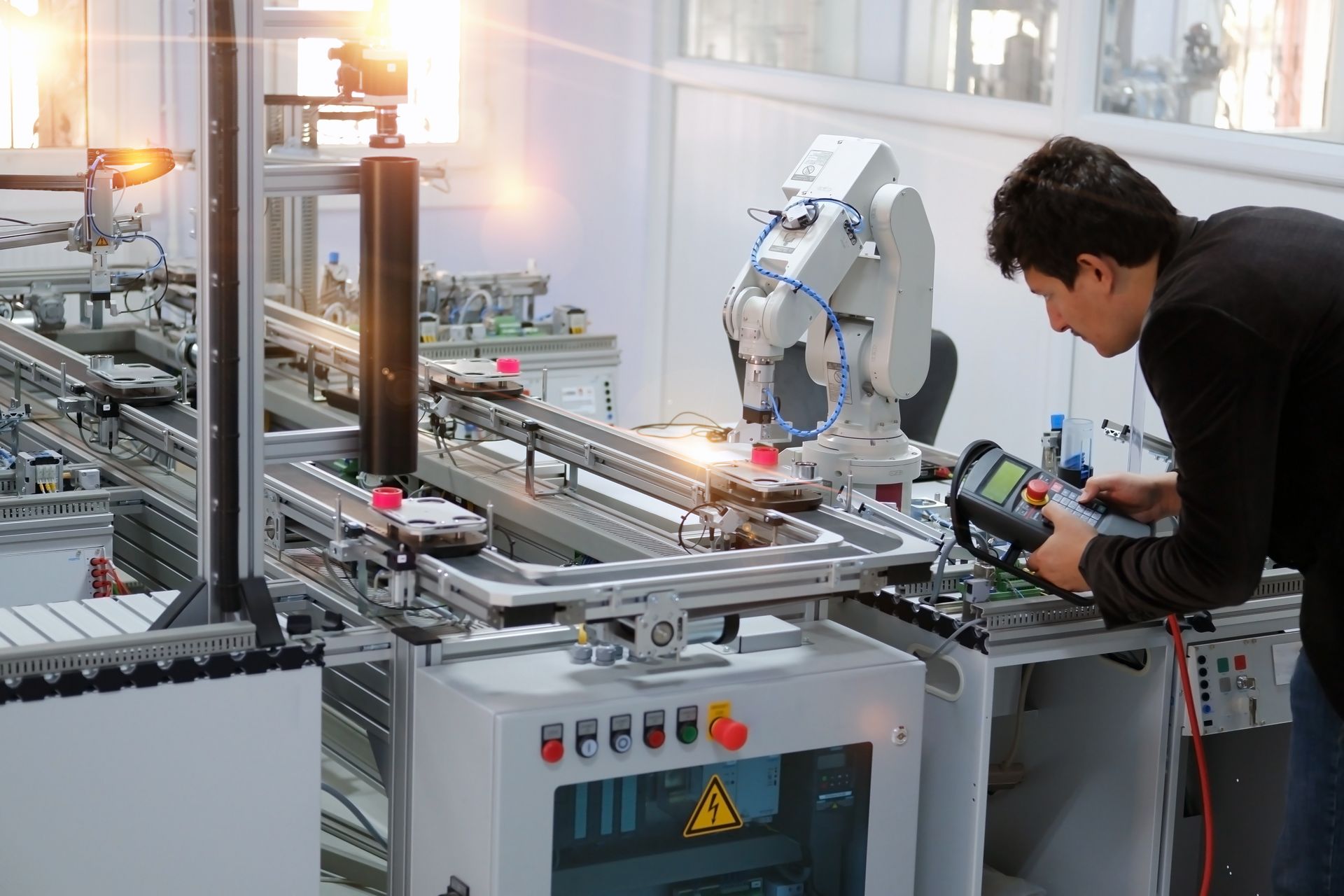
General Motors plans to increase the use of robots and other automation in its North American plants by about 20% by 2028, according to a November 17 report from Reuters. The same report says suppliers bidding on new GM contracts must now submit plans to automate their own operations, and GM grades those plans on a scorecard that factors into who wins the business. For tier suppliers, an automation plan just became part of the quote.
Reuters attributes the shift to rising labor costs, efforts to localize supply chains, and higher commodity prices. GM is also building some of its own autonomous mobile robots (AMRs) for moving parts between stations at its Kokomo, Indiana, plant while continuing to buy equipment from outside vendors, the report says.
A scorecard changes what a plan has to prove
An automation roadmap written for an internal budget meeting can lean on ambition. A plan that a customer scores has to hold up to scrutiny from people who run plants for a living. Reuters did not publish GM's scoring criteria, so suppliers should not guess at a formula. It is reasonable to expect, though, that any serious reviewer will look for the same things an operations leader would: a clear problem, a realistic schedule, and evidence the supplier can execute.
That means the strongest plans will be specific. "Add robotic welding" is a wish. "Automate two manual weld stations on line 3, validated by a test build in Q2, with a defined fallback if cycle time targets are missed" is a plan.
What a credible plan includes
- A baseline. Current cycle times, scrap rates, downtime, and labor hours for the operations in scope. Without a baseline, no improvement claim can be checked.
- Prioritized applications. Which stations come first, and why. Material handling, machine tending, and inspection are often easier starting points than complex assembly.
- Validation before commitment. Gripper and fixture trials, test plans, and proof builds that show the cell works on real parts, not just in simulation.
- A deployment schedule tied to the launch. Installation, commissioning, and ramp dates that line up with the customer's program timing, including what happens if the automation slips.
- A support model. Who maintains the equipment, how failures are diagnosed, and how the cell stays at rate after the integrator leaves.
Where plans usually fall short
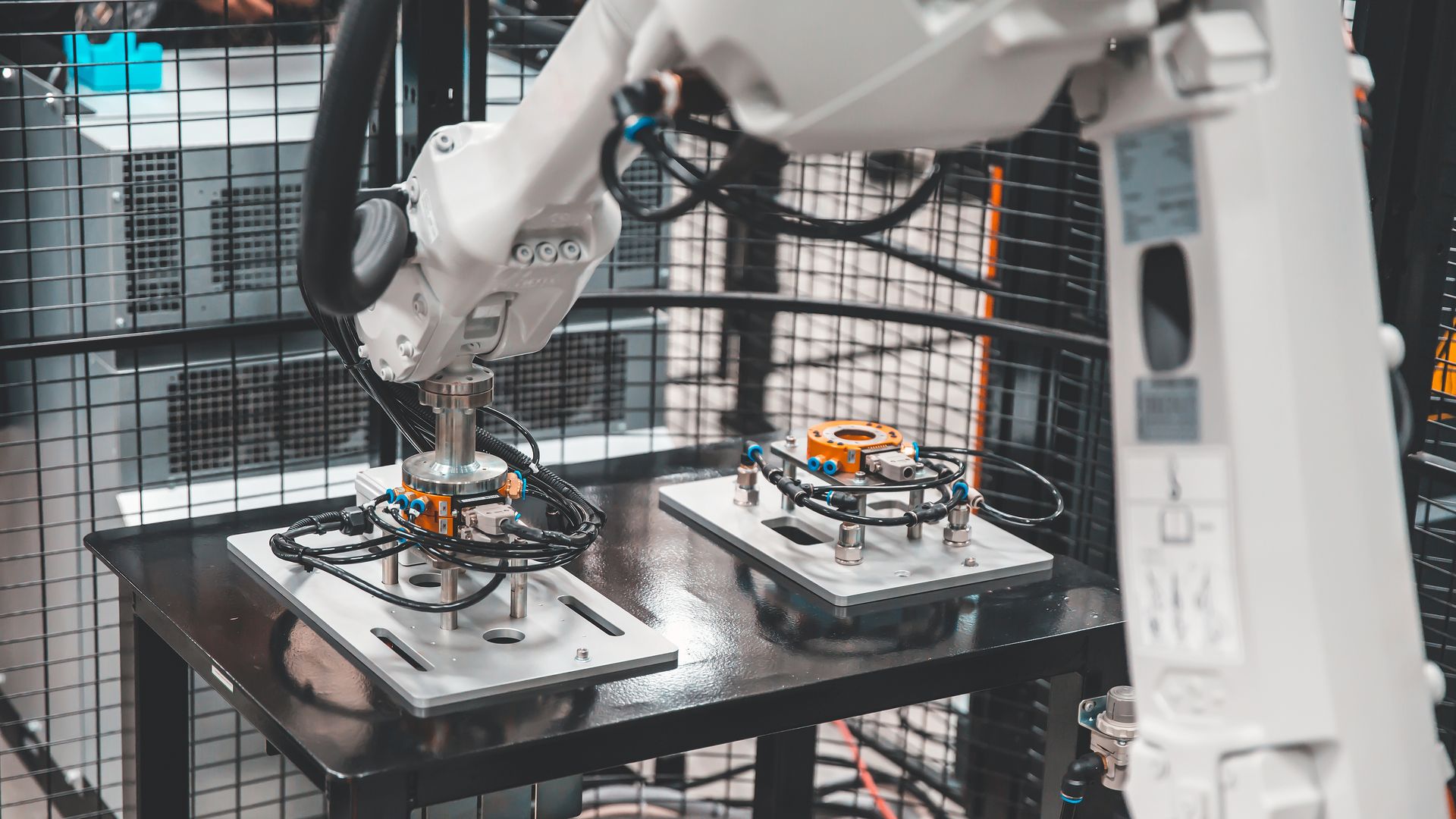
Most automation plans are strongest on equipment and weakest on everything around it. End-of-arm tooling is often treated as a detail, even though it frequently decides whether a pick or tending cell hits its throughput target. Network and controls readiness gets discovered during installation instead of before it. Reliability is assumed rather than tested, so early failures show up during launch, when there is the least room to absorb them.
Multi-site suppliers face an added problem: a plan that works at one plant has to be repeatable at the others. Standard cell designs, documented commissioning steps, and consistent spare parts strategies make the difference between one good cell and a reliable fleet.
What it means for a project
Suppliers responding to automation requirements, from GM or any other OEM, need a plan they can defend and then deliver. Emtech embeds robotics, automation, and embedded systems engineers inside customer programs to do both. Emtech's Testing and EOAT teams help validate applications and tooling before capital is committed. Its Lab and Hardware teams build test beds and prepare sites, and its Deployment and Reliability teams handle installation, commissioning, and root-cause work across multiple facilities. The goal is a plan that scores well on paper because it is grounded in what the plant can actually run.
Building toward production-grade automation?
Tell us where you are in your project and we will line up the right team, from R&D through live operations.
Start the Conversation