

BMW's 1,700-Robot ABB Order: Lessons in Standardizing a Robot Fleet
A large single-platform robot order for plants in Germany and China shows why integration standards matter as much as the hardware.
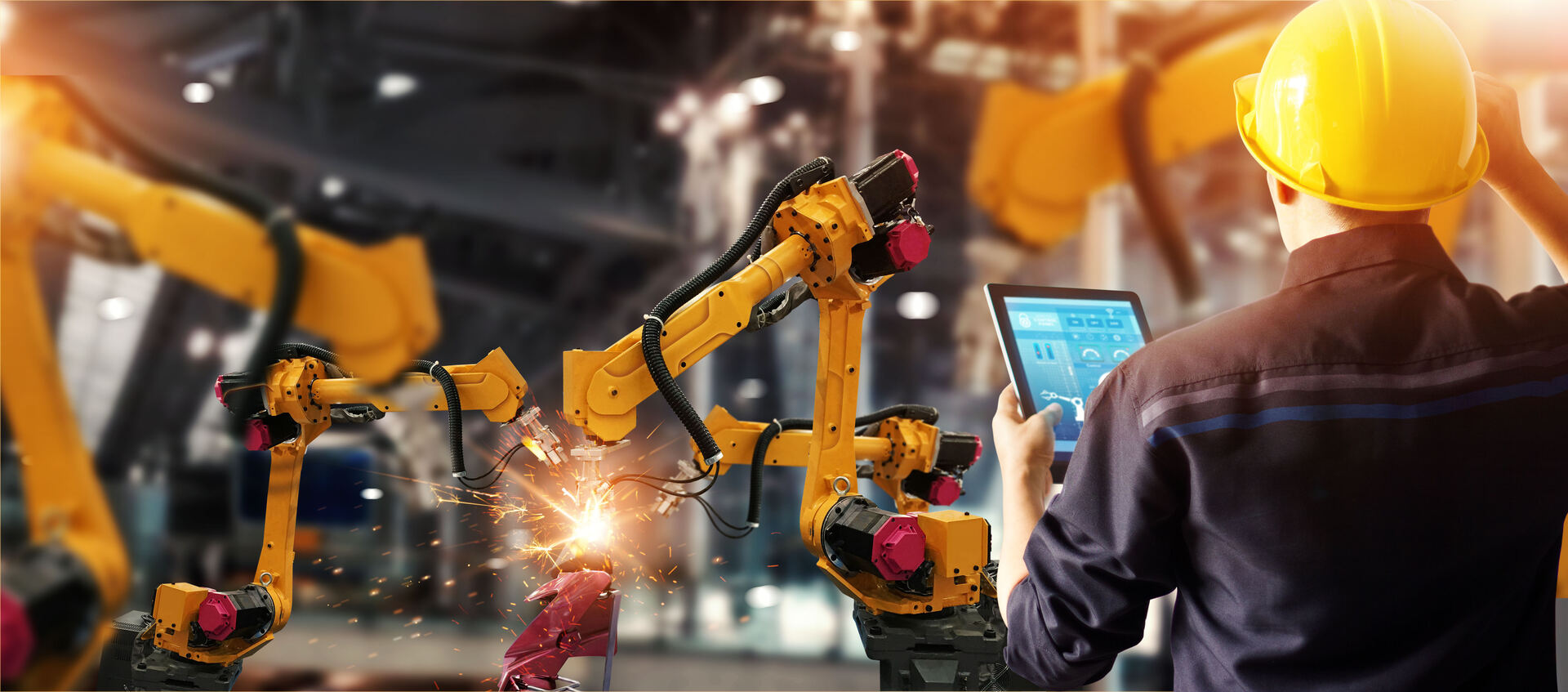
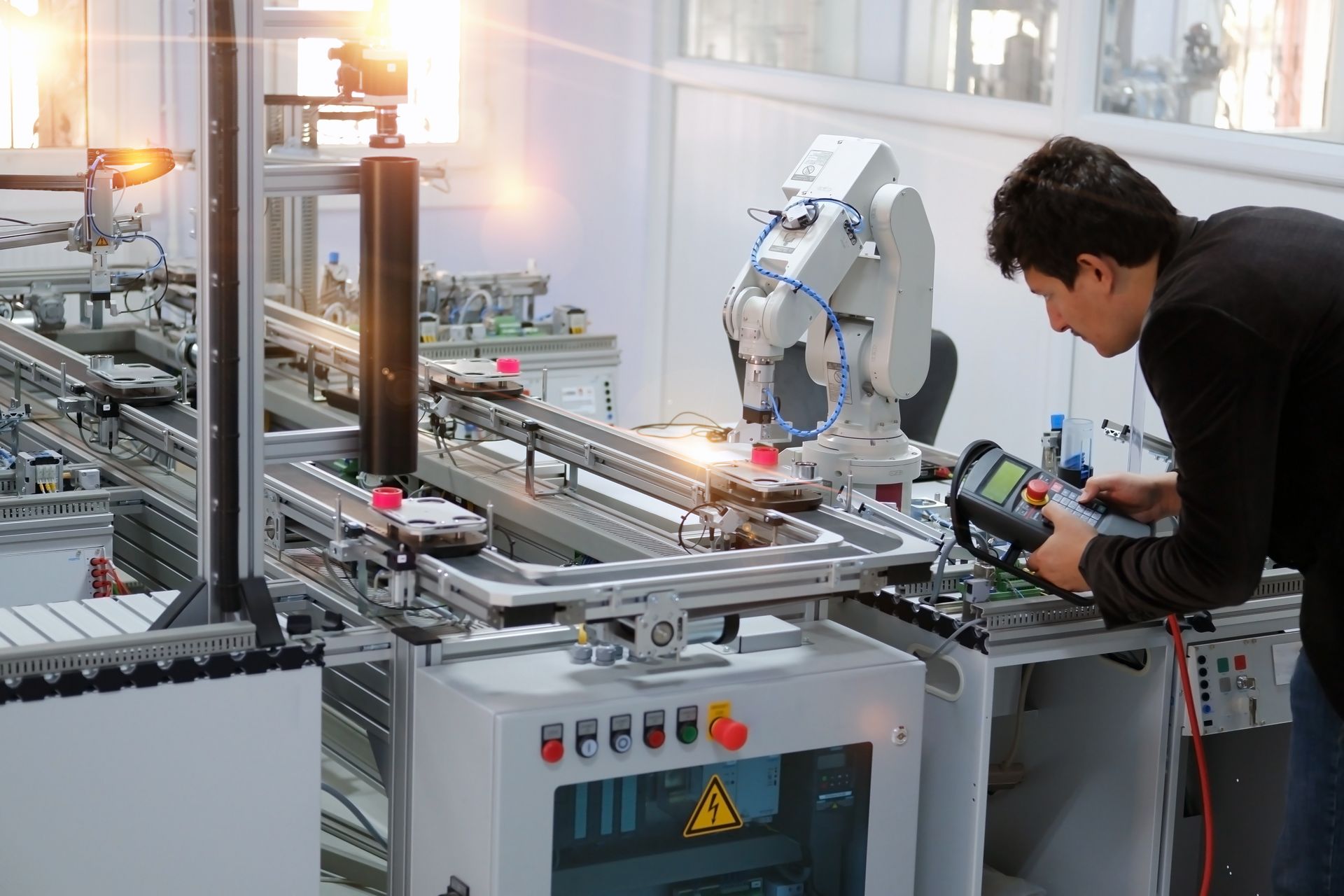
BMW has ordered more than 1,700 large ABB robots for body shop operations at its main plant in Munich, Germany and its plant in Tiexi, China, according to Robotics & Automation News. The robots will handle welding, gluing, riveting, and assembly, including production of the fully electric Neue Klasse models in Munich. Orders of this size are rare, but the decisions behind them apply to any manufacturer standardizing a robot fleet across more than one site.
One platform, two continents
According to the report, the order covers ABB's IRB 6720 to IRB 6740 and IRB 7720 robots, with payloads of up to 620 kilograms, all running ABB's latest OmniCore controllers. Standardizing on one robot family and one controller generation across plants in Germany and China means programs, spare parts, training, and troubleshooting methods can, in principle, move between sites. In practice, that portability only holds if the integration work is standardized too: cell layouts, I/O maps, safety configurations, naming conventions, and backup practices all have to follow the same rules everywhere.
Without that discipline, two plants running identical robots can still end up with two very different systems, each understood only by its local team.
Controller generation changes are a project of their own
A new controller generation is not a drop-in swap. Robotics & Automation News notes that OmniCore supports AI, sensor, cloud, and edge integration along with energy recovery. Those capabilities are useful, but they also bring new network requirements, new software versions to manage, and new options that need a deliberate decision rather than a default setting. Plants that run mixed fleets, with older controllers alongside new ones, should plan for:
- Network readiness: segmentation, addressing, and IT sign-off for cloud or edge connectivity before robots arrive.
- Program migration: testing converted or rewritten programs offline and on a bench before cutover.
- Version control: one documented baseline for controller software and options across every site.
- Technician training: maintenance teams who know the new platform before the first fault, not after.
Heavy payloads put the tooling under the microscope
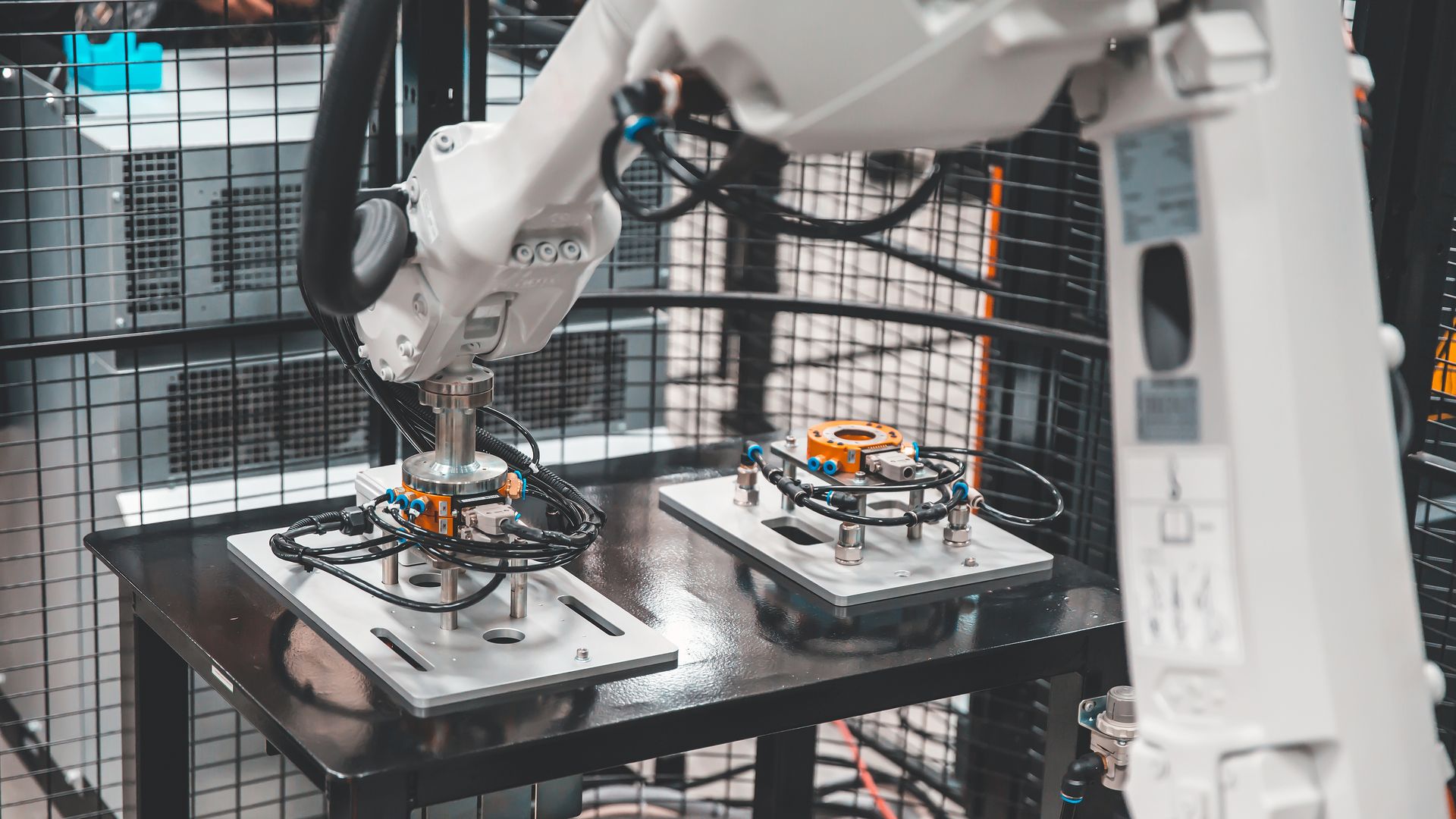
Body shop robots rated for several hundred kilograms are often moving large welding guns, adhesive dispensers, and part grippers. At that scale, the end-of-arm tooling drives cycle time, reach, and robot sizing as much as the robot itself. Payload and inertia calculations, cable and hose management, and tool changer selection should be validated early, because a tool that runs over its rated load or wears out a dress pack in months becomes a reliability problem that is hard to fix after launch.
Shorter startup still depends on commissioning discipline
The report says ABB significantly reduces the startup phase with OmniCore and a dedicated commissioning system. Faster commissioning tools help, but the schedule risk in a large rollout usually sits in the handoffs: equipment arriving at sites in different states of readiness, punch lists that never close, and acceptance criteria that differ from plant to plant. A repeatable commissioning checklist, shared acceptance tests, and a single team that carries lessons from the first site to the next are what keep a rollout of hundreds of robots on schedule.
What it means for your next automation project
Most manufacturers will never place an order for 1,700 robots, but many are standardizing fleets, moving to new controller generations, or replicating a proven cell across multiple plants. The same questions apply at any scale: is the site and network ready, is the tooling validated for the real payload, are test plans written before installation, and will the people who commissioned the first site be there for the last?
Emtech supports these programs from early lab work through multi-site production. Its Lab team handles site operations and IT and network readiness, EOAT engineers design and validate tooling, Testing builds the plans and data that confirm a cell is ready, and Deployment covers installation, commissioning, and multi-site logistics. Emtech engineers work inside the customer program and are measured against its KPIs, so standards set at the first plant carry through to the last.
Building toward production-grade automation?
Tell us where you are in your project and we will line up the right team, from R&D through live operations.
Start the Conversation